The Commander Academy drafts began with a parent’s question: what should children practice if we want them to think clearly, make useful things, and take responsibility for their choices?
The early archive answered with an ambitious curriculum, a game world, character principles, and a long expansion plan. This is a revised account of that vision. A collection of design documents does not establish that every proposed lesson, game, or school location exists.
Begin with something a child can investigate
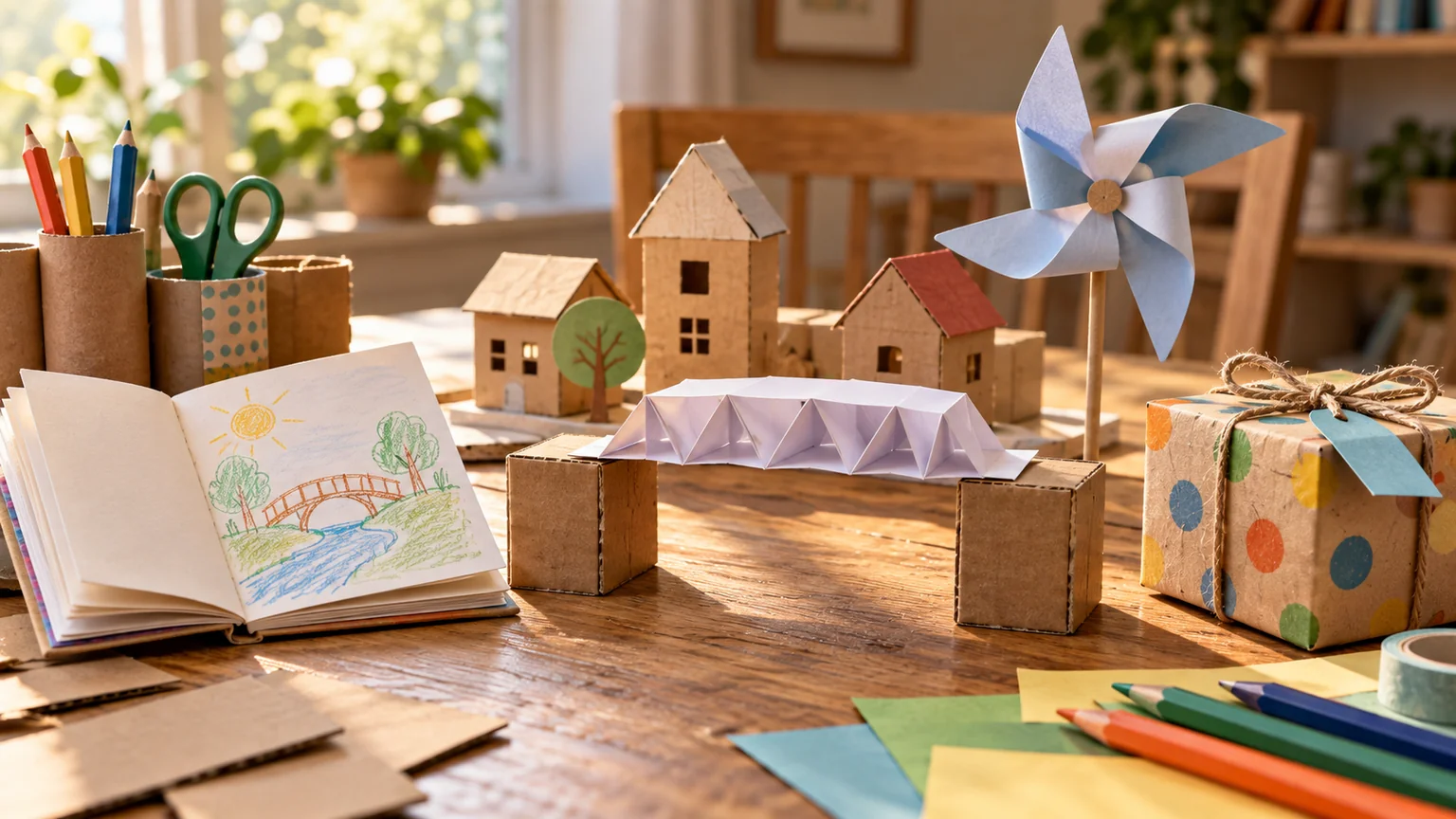
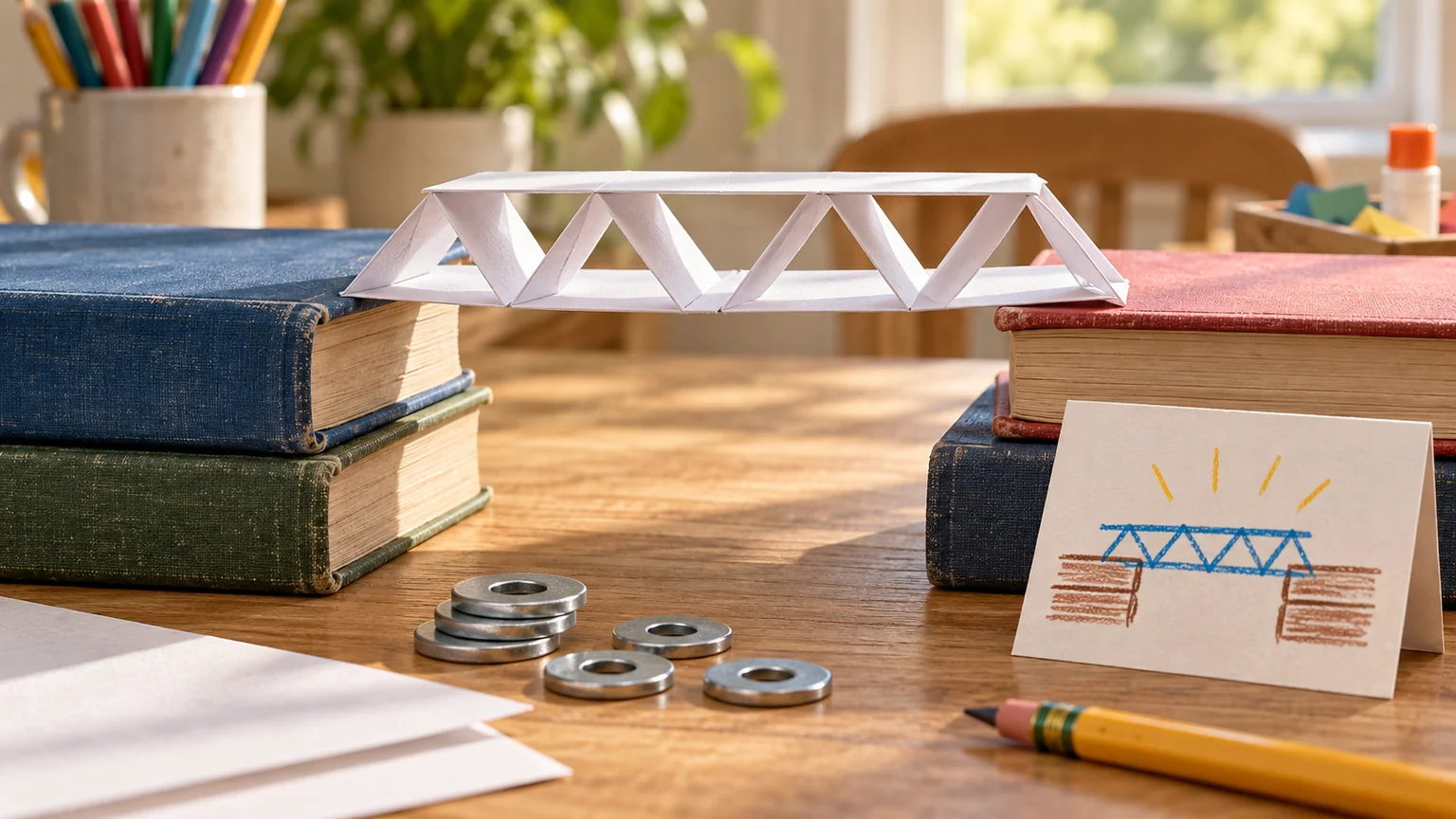
A paper bridge can carry a question about load. A garden can carry a question about water and light. A repair can carry a question about why a part stopped working.
Let the child describe what they expect before the test. Observe together, then compare the result with the prediction. Use the difference as a reason to revise the idea.
The value lies in the thinking and the shared work, not in making every project look impressive.
Connect reasoning with action
The original framework emphasized mental models, logic, verification, perspective, and diligence. Those ideas become concrete when a lesson asks a child to explain a choice and examine what happened.
A younger child might compare two arrangements by trying them. An older child might record measurements, identify a hidden assumption, or design a fairer test.
Give enough structure to make progress while leaving meaningful choices to the learner.
Treat technology as a tool
A simulation can make an invisible relationship easier to explore. It can also distract from the question if its effects and rewards dominate the lesson.
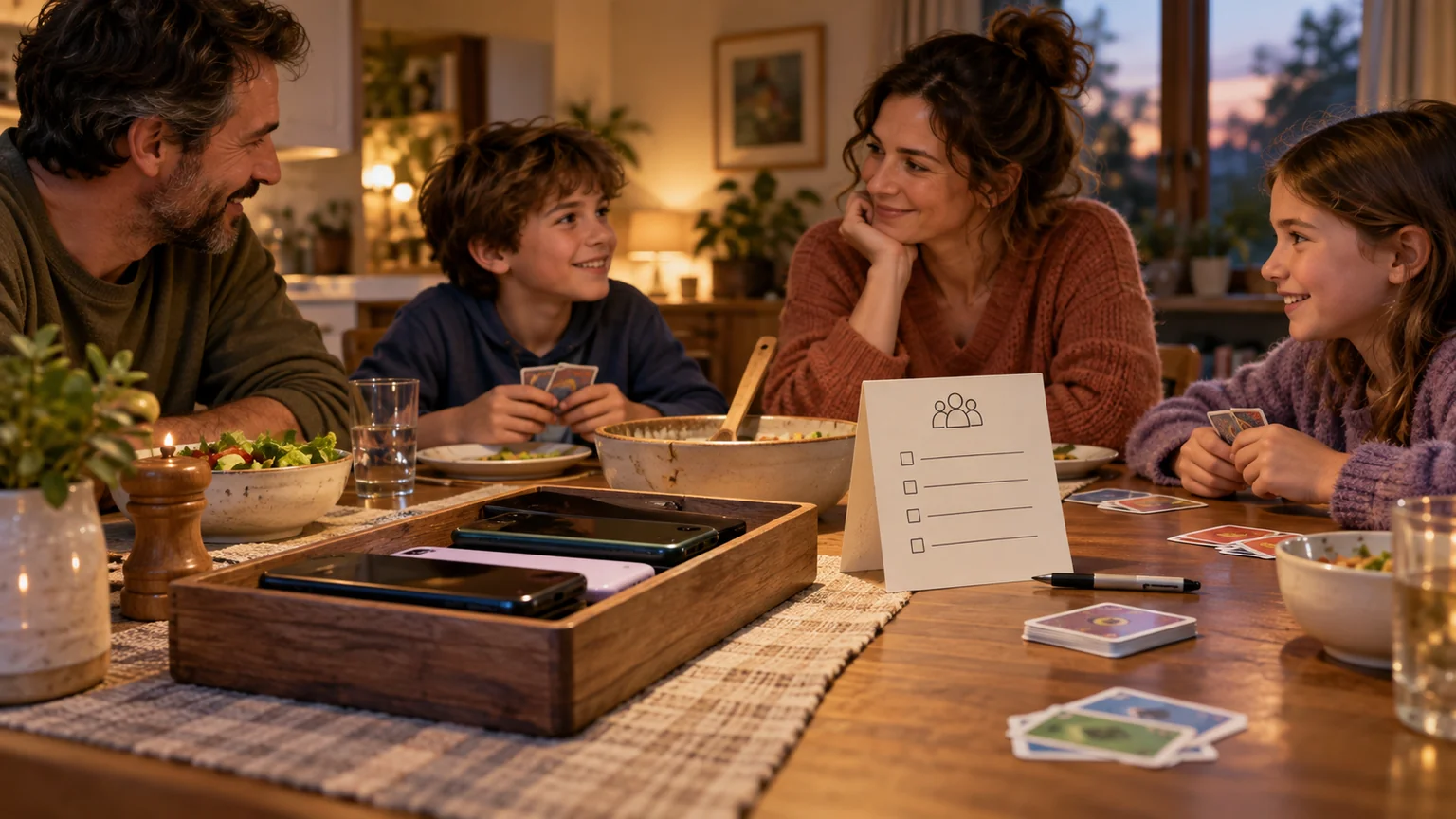
Use digital tools where they help a child see, compare, or create something. Make it easy to pause and continue with paper, physical materials, or conversation.
When using AI, inspect an answer together and ask what would verify it. Keep the adult responsible for selecting appropriate tools and supervising their use.
Practice character in ordinary moments
Patience appears when the first attempt fails. Honesty appears when the result differs from the prediction. Care appears when materials are shared and the workspace is left ready for someone else.
Faith and family give this project its purpose. That purpose is expressed through attention, service, and responsibility in the actual lesson.
A rank or badge should not become a substitute for those actions.
Grow from observed learning
Before promising a large curriculum or expansion, try a small sequence and observe where children engage, struggle, or need a different explanation.
Invite the child to describe what they learned and what they would change. Adapt to age, ability, interest, and the resources available at home.
Our thirty-day making series offers a practical starting point. The Academy’s enduring ambition is a habit of thoughtful action, built one real question at a time.
Keep a good idea close.
Follow Command Post